Campaigns

Steven Bowen's Jaw Has Been Broken for 2 Years

February 17, 2026

First, do no harm.

These words represent the foundation of medical practice outlined in the hippocratic oath. They reflect a promise that the vulnerability will be met with compassion and that each patient deserves equal treatment, regardless of circumstance. For Steven Bowen and many other incarcerated individuals, this promise is shattered.

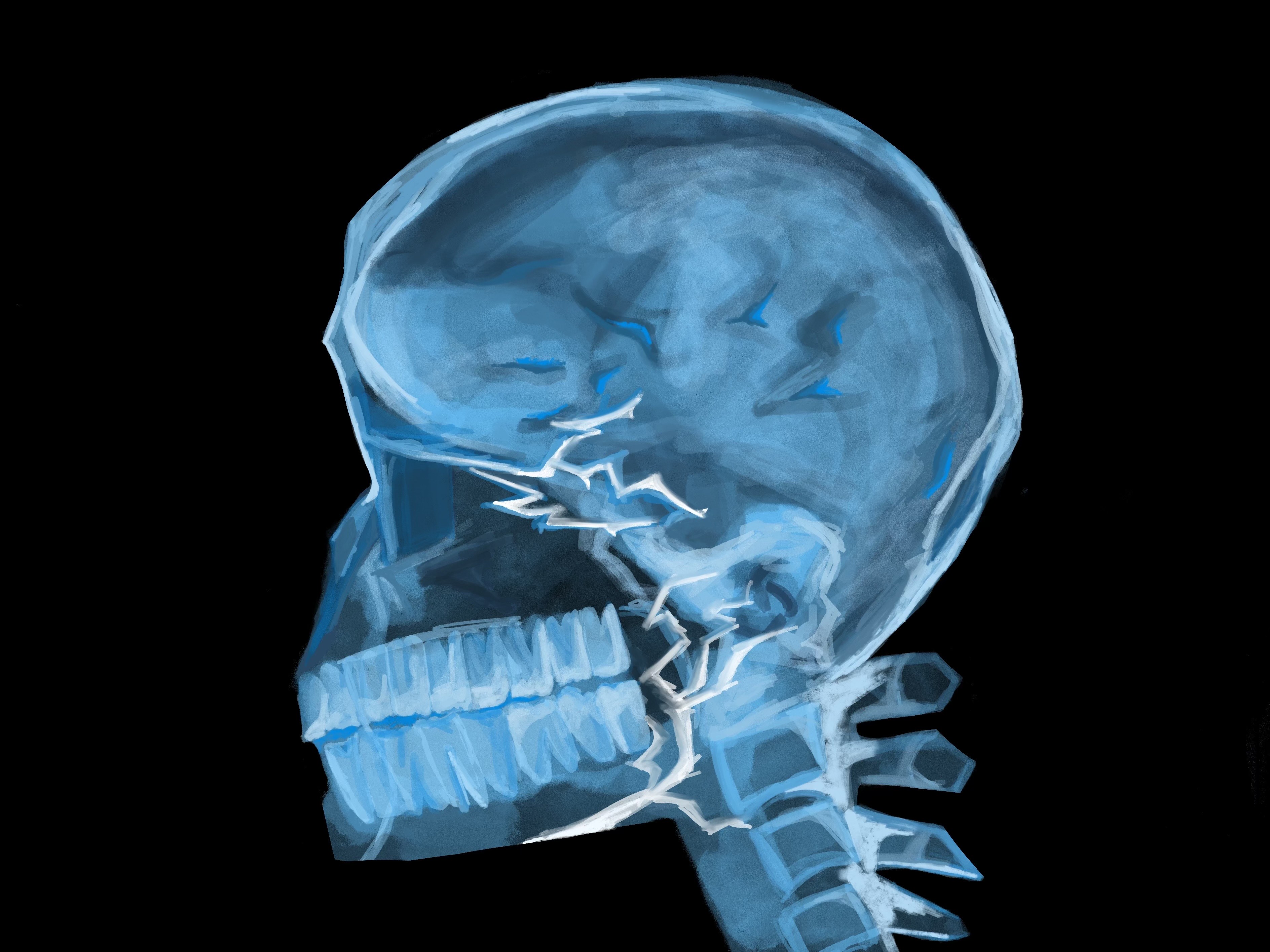
In February of 2024, Steven Bowen was assaulted in his cell at FCI Edgefield. The attack left him with fractures to both sides of his jaw and a crushed eye socket, injuries so significant that he was transported from the prison to Augusta University Hospital for emergency evaluation. After being diagnosed with these serious injuries, Steven was returned to FCI Edgefield shortly after midnight. Rather than receiving continued monitoring and care, he was placed in solitary confinement, where he remained for nearly three weeks, isolated and in immense pain. 

Following his three week isolation, Steven Bowen underwent a necessary facial surgery. However, the procedure was performed by a physician contracted by the Bureau of Prisons, Dr. Faircloth. Instead of setting Bowen on a path to recovery, the surgery caused instrumental harm. Steven Bowen’s right Jaw was left malaligned, his left jaw was not properly repaired, and a portion of undamaged eye socket was removed. Most significantly, the crushed area of his eye socket from the assault was left entirely untreated. 

Since the botched surgical procedure, Bowen has lived with constant facial pain, debilitating migraines, and impaired speech quality. In his own written statements, he explains the toll this experience has taken on his life: “My remaining health issues can and will cause lifelong damage to my body. Each day that I cannot eat I am losing weight, strength, and function. This is more than enough to warrant medical intervention from staff, whose job it is to care for us.” He has further described how his jaw is crooked, often causing him to bite his tongue when he chews, and how the crushed parts of bone that were not repaired leave him with significant headaches. His medical intervention, which should have been a source of healing, has been morphed into yet another form of injury and injustice. Everyday activities, even something as simple as speaking, have become sources of suffering. 

Bowen is desperate for relief and has made repeated attempts to get help. Over the course of months, he submitted multiple written complaints and formal remedy requests describing his declining health and worsening pain. His requests for corrective care were ignored. When he sought justice through the administrative remedy process, his request was denied without independent review: the decision was based on the records of Dr. Faircloth, the same physician whose negligence in surgery caused further harm. 

This is also where The Remedy Project got involved. The Remedy Project has continued to work alongside Steven Bowen to help document his case, prepare advocacy materials, and navigate the administrative remedy system. Through advocacy and writing support, The Remedy Project is ensuring that his suffering is not buried in bureaucracy and that his voice will be heard. 

Bowen’s experience reflects a broader pattern of medical neglect and discrimination faced by incarcerated individuals. Delayed treatment, improper follow up, surgical negligence would be absolutely unacceptable in any other healthcare setting.  Why then, is it tolerated for incarcerated individuals? These failures are far too normalized for incarcerated individuals. He did not ask for special treatment or exemptions. He asked for the fundamental right to be treated equally as a patient. He wants to be able to eat without pain, to speak without difficulty, and to live without constant headaches. As Bowen wrote, “I need a doctor who will treat me no differently than any other patient, prisoner or not.” 

As a result of 1.5 years of diligent advocacy, Mr. Bowen got another appointment with Dr. Faircloth, who is allegedly planning to repair his mistakes. Mr. Bowen does not trust Dr. Faircloth or the BOP to treat him, and neither do we. Join us in demanding that Mr. Bowen receive a real repair for his broken face and a real pathway for healing. 

Steven Bowen’s case serves as a sobering reminder that ethical medicine must extend beyond hospital walls. Human dignity does not end at incarceration, and neither should the duty to heal patient suffering. 

First, do no harm.

These words represent the foundation of medical practice outlined in the hippocratic oath. They reflect a promise that the vulnerability will be met with compassion and that each patient deserves equal treatment, regardless of circumstance. For Steven Bowen and many other incarcerated individuals, this promise is shattered.

In February of 2024, Steven Bowen was assaulted in his cell at FCI Edgefield. The attack left him with fractures to both sides of his jaw and a crushed eye socket, injuries so significant that he was transported from the prison to Augusta University Hospital for emergency evaluation. After being diagnosed with these serious injuries, Steven was returned to FCI Edgefield shortly after midnight. Rather than receiving continued monitoring and care, he was placed in solitary confinement, where he remained for nearly three weeks, isolated and in immense pain. 

Following his three week isolation, Steven Bowen underwent a necessary facial surgery. However, the procedure was performed by a physician contracted by the Bureau of Prisons, Dr. Faircloth. Instead of setting Bowen on a path to recovery, the surgery caused instrumental harm. Steven Bowen’s right Jaw was left malaligned, his left jaw was not properly repaired, and a portion of undamaged eye socket was removed. Most significantly, the crushed area of his eye socket from the assault was left entirely untreated. 

Since the botched surgical procedure, Bowen has lived with constant facial pain, debilitating migraines, and impaired speech quality. In his own written statements, he explains the toll this experience has taken on his life: “My remaining health issues can and will cause lifelong damage to my body. Each day that I cannot eat I am losing weight, strength, and function. This is more than enough to warrant medical intervention from staff, whose job it is to care for us.” He has further described how his jaw is crooked, often causing him to bite his tongue when he chews, and how the crushed parts of bone that were not repaired leave him with significant headaches. His medical intervention, which should have been a source of healing, has been morphed into yet another form of injury and injustice. Everyday activities, even something as simple as speaking, have become sources of suffering. 

Bowen is desperate for relief and has made repeated attempts to get help. Over the course of months, he submitted multiple written complaints and formal remedy requests describing his declining health and worsening pain. His requests for corrective care were ignored. When he sought justice through the administrative remedy process, his request was denied without independent review: the decision was based on the records of Dr. Faircloth, the same physician whose negligence in surgery caused further harm. 

This is also where The Remedy Project got involved. The Remedy Project has continued to work alongside Steven Bowen to help document his case, prepare advocacy materials, and navigate the administrative remedy system. Through advocacy and writing support, The Remedy Project is ensuring that his suffering is not buried in bureaucracy and that his voice will be heard. 

Bowen’s experience reflects a broader pattern of medical neglect and discrimination faced by incarcerated individuals. Delayed treatment, improper follow up, surgical negligence would be absolutely unacceptable in any other healthcare setting.  Why then, is it tolerated for incarcerated individuals? These failures are far too normalized for incarcerated individuals. He did not ask for special treatment or exemptions. He asked for the fundamental right to be treated equally as a patient. He wants to be able to eat without pain, to speak without difficulty, and to live without constant headaches. As Bowen wrote, “I need a doctor who will treat me no differently than any other patient, prisoner or not.” 

As a result of 1.5 years of diligent advocacy, Mr. Bowen got another appointment with Dr. Faircloth, who is allegedly planning to repair his mistakes. Mr. Bowen does not trust Dr. Faircloth or the BOP to treat him, and neither do we. Join us in demanding that Mr. Bowen receive a real repair for his broken face and a real pathway for healing. 

Steven Bowen’s case serves as a sobering reminder that ethical medicine must extend beyond hospital walls. Human dignity does not end at incarceration, and neither should the duty to heal patient suffering.